

South Hunsley School Teaching Block | Alessandro Caruso Architects Ltd | World Design Awards 2025
Alessandro Caruso Architects Ltd: Winner of World Design Awards 2025. Conceived as a catalyst for learning and wellbeing, the Ferriby Building redefines the educational experience through spaces that are contemporary, inclusive, and deeply connected to nature. Commissioned by The Education Alliance and Helix CMS (adopting a Partnering Procurement route), Alessandro Caruso Architecture and Interiors (ACA) designed a facility that enriches Sixth Form education while complementing the established character of South Hunsley School’s campus.

Working collaboratively with The Education Alliance and Helix CMS, ACA developed a design that embodies the school’s progressive ethos and commitment to excellence.
Part 1: Design and Concept
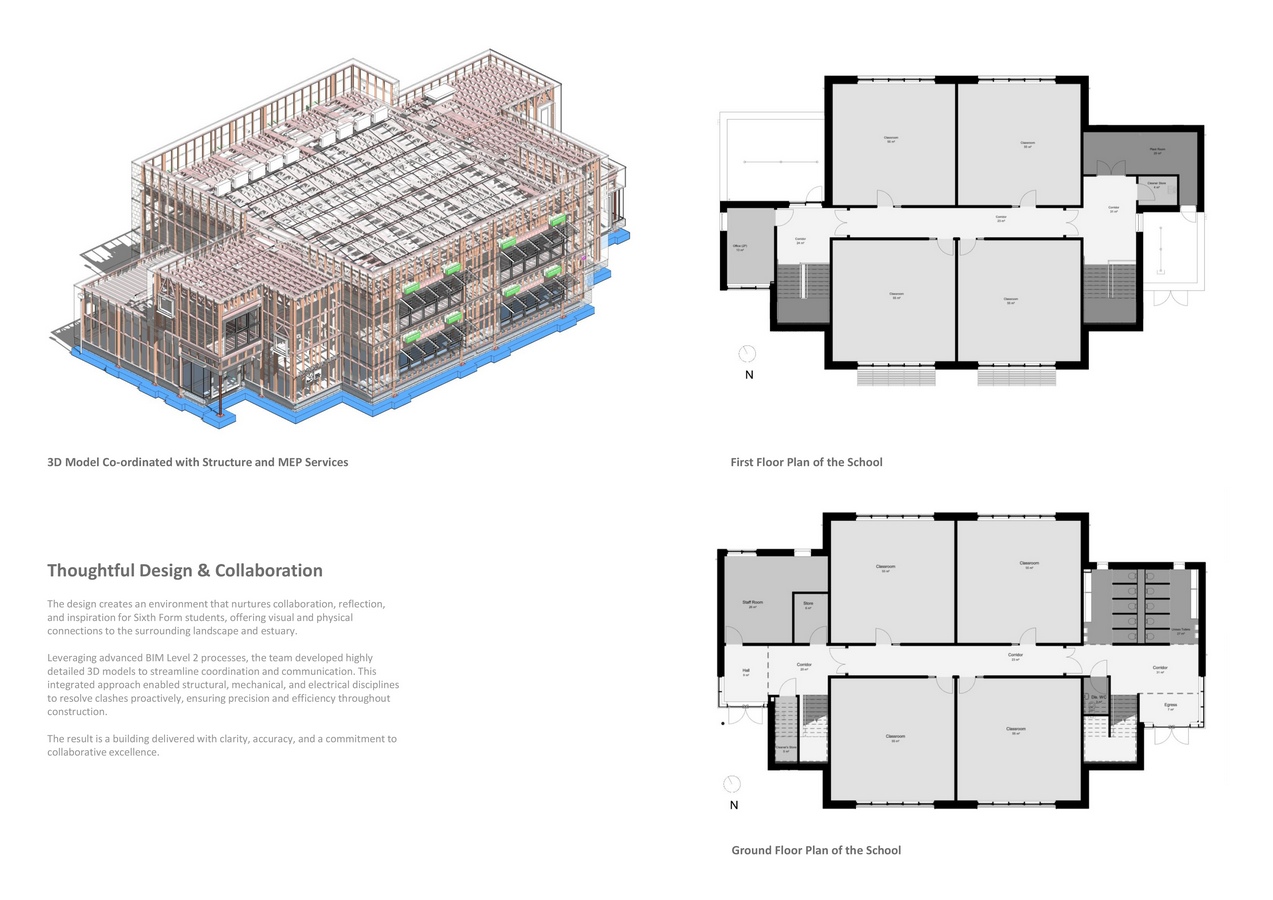
The brief called for a new reception hall, administrative offices, storage and toilet facilities, eight classrooms, and a plant room. Beyond meeting these functional requirements, the design aspires to create an inspiring environment that fosters collaboration, independent study, and wellbeing.
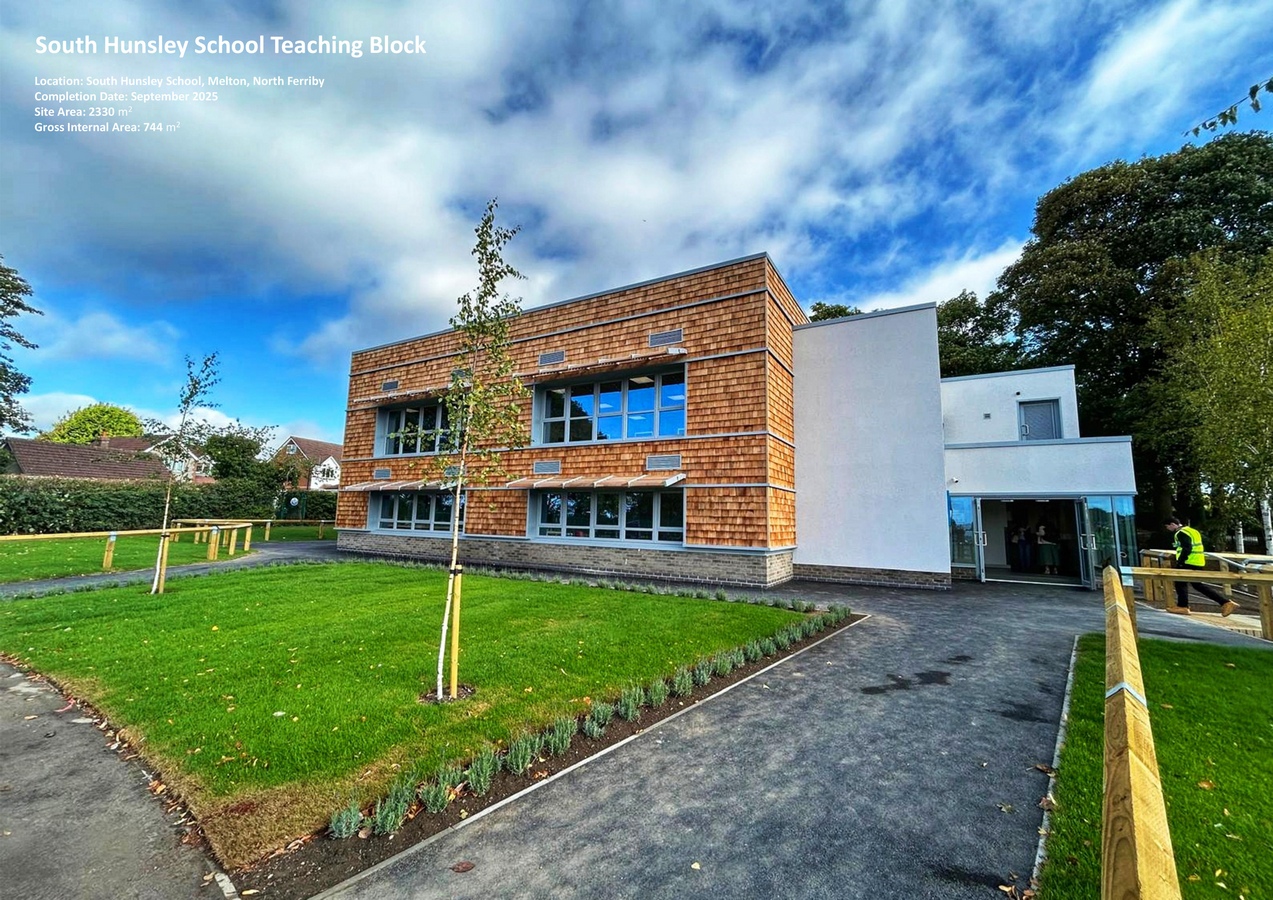
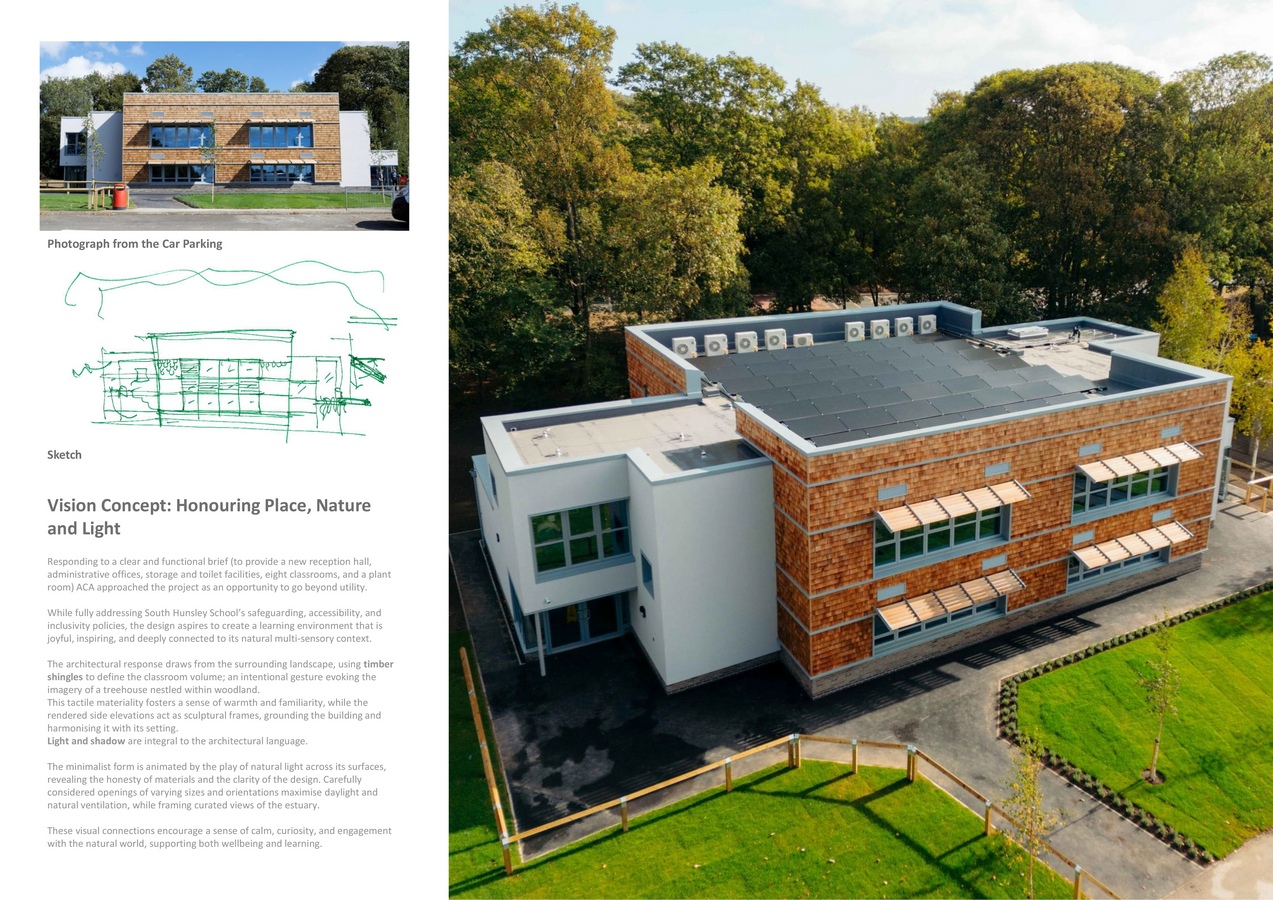
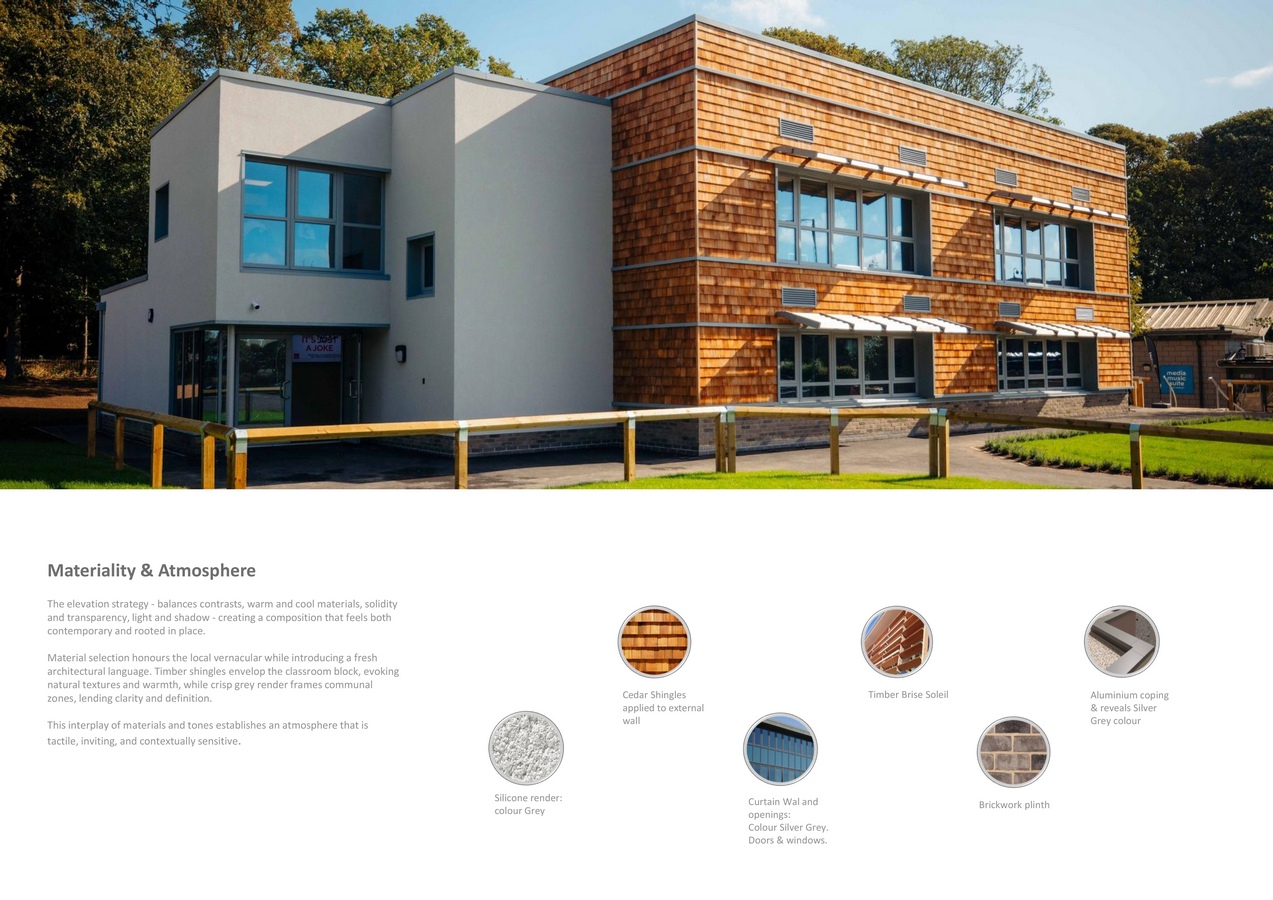
The architectural concept draws inspiration from the Humber Estuary’s natural rhythms, translating them into a form that harmonizes with its context while projecting a bold, contemporary identity. Timber shingles wrap the classroom block in a tactile skin, evoking the warmth of a treehouse and reinforcing biophilic principles. Rendered side elevations act as sculptural frames, balancing material honesty with contextual sensitivity.
Generous openings frame views of the estuary, optimizing daylight and natural ventilation while fostering a sense of connection to the surrounding landscape. Internally, the layout supports diverse modes of study—from quiet reflection to collaborative engagement—anchored by a central reception hall that serves as a social hub.
Inclusive design was integral to the scheme. Sloped level access, wheelchair-accessible facilities, and generous circulation routes ensure full accessibility. Neurodiverse and dementia-friendly principles informed material choices, with consistent Light Reflectance Values (LRVs) between adjoining rooms and contrasting tones for visual clarity.
Part 2: Sustainability
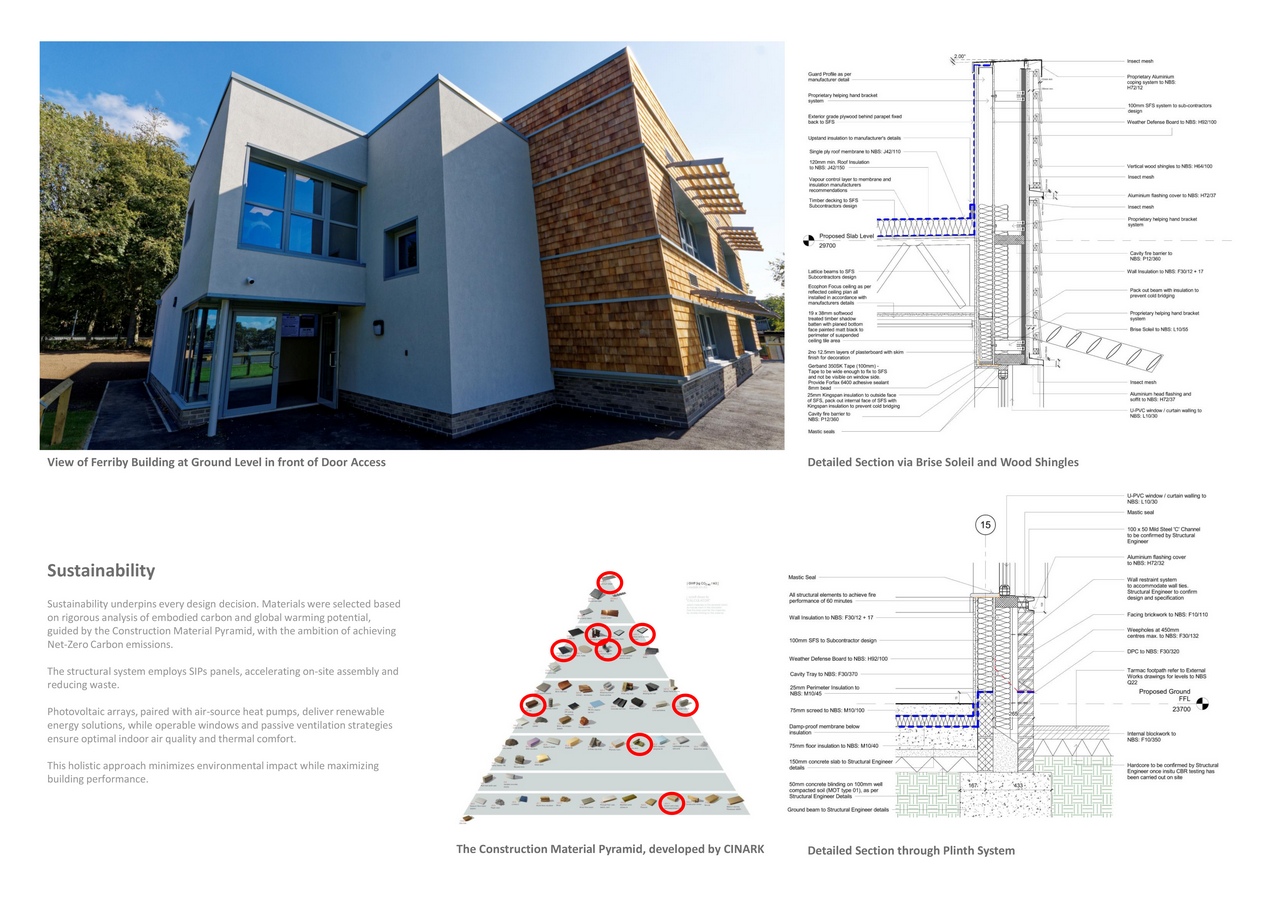
Sustainability underpins every aspect of the Ferriby Building’s conception and delivery. The design incorporates energy-efficient systems, maximises natural daylight, and utilises passive ventilation to reduce operational energy demand. The use of responsibly sourced timber and locally produced materials further minimises embodied carbon, while the surrounding landscape has been enhanced to promote biodiversity and ecological resilience.
Operational energy use is reduced through a range of strategies, including photovoltaic panels that capture solar energy during summer months. Air source heat pumps ensure efficient mechanical ventilation and provide both heating and cooling throughout the year. Energy-efficient LED lighting, equipped with sensors and dimmers, minimises artificial lighting requirements and ensures energy is used only where necessary.
The building’s high-performance envelope — featuring low U-value, fire-resistant materials — significantly reduces heating demand during winter. Additional seals and tapes around openings enhance airtightness, maintaining internal warmth and energy efficiency. Operable windows in classrooms and staff areas enable natural ventilation, preventing overheating during warmer periods.
Close collaboration with Helix CMS, engineers, and subcontractors was instrumental in delivering the building efficiently — on time, within budget, and with reduced embodied carbon. The specification of locally sourced materials and the substitution of hot-rolled steel with predominantly cold-rolled alternatives yielded significant cost and carbon savings. Throughout design and construction, digital BIM technology was employed to optimise coordination, precision, and sustainability outcomes.
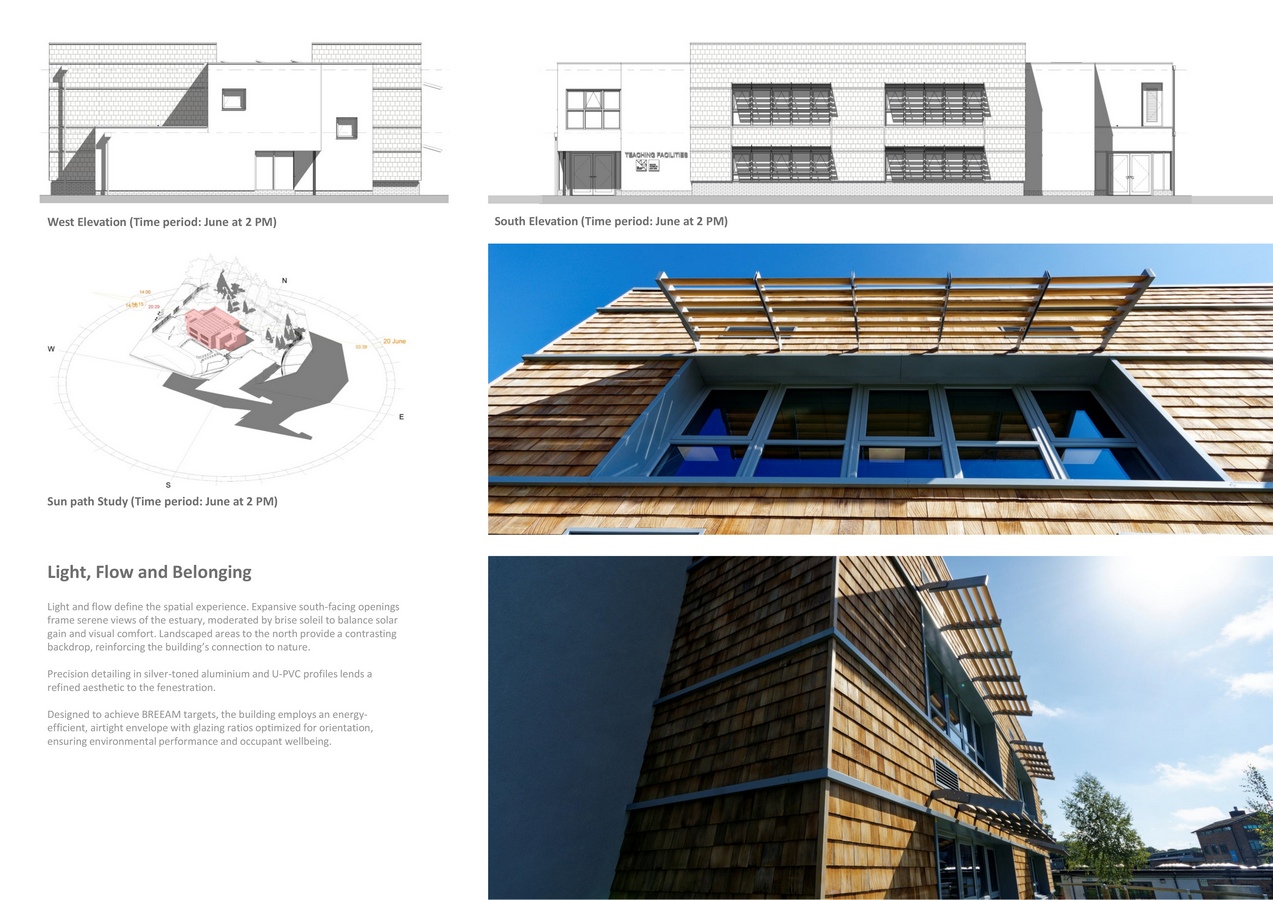
Comprehensive simulations were conducted across the BIM model to evaluate sunlight intensity, informing critical design decisions regarding the placement and proportions of openings and glazing elements to achieve optimal environmental performance while maintaining occupant comfort and wellbeing. Additional simulations were carried out to assess sustainability parameters, focusing on the embodied carbon associated with the building’s footprint during the design phase. These insights supported the contractor in selecting appropriate construction methods aligned with the project’s sustainability goals.
Furthermore, the enhancement of the existing habitat through new tree planting and wildflower meadows has increased site biodiversity, contributing positively to carbon sequestration and the health and wellbeing of occupants and the wider community.
Whilst it was not required, Ferriby Building for South Hunsley School has been developed with all the sustainability elements to the Passive Design standard.
Part 3: WELL Building Standards
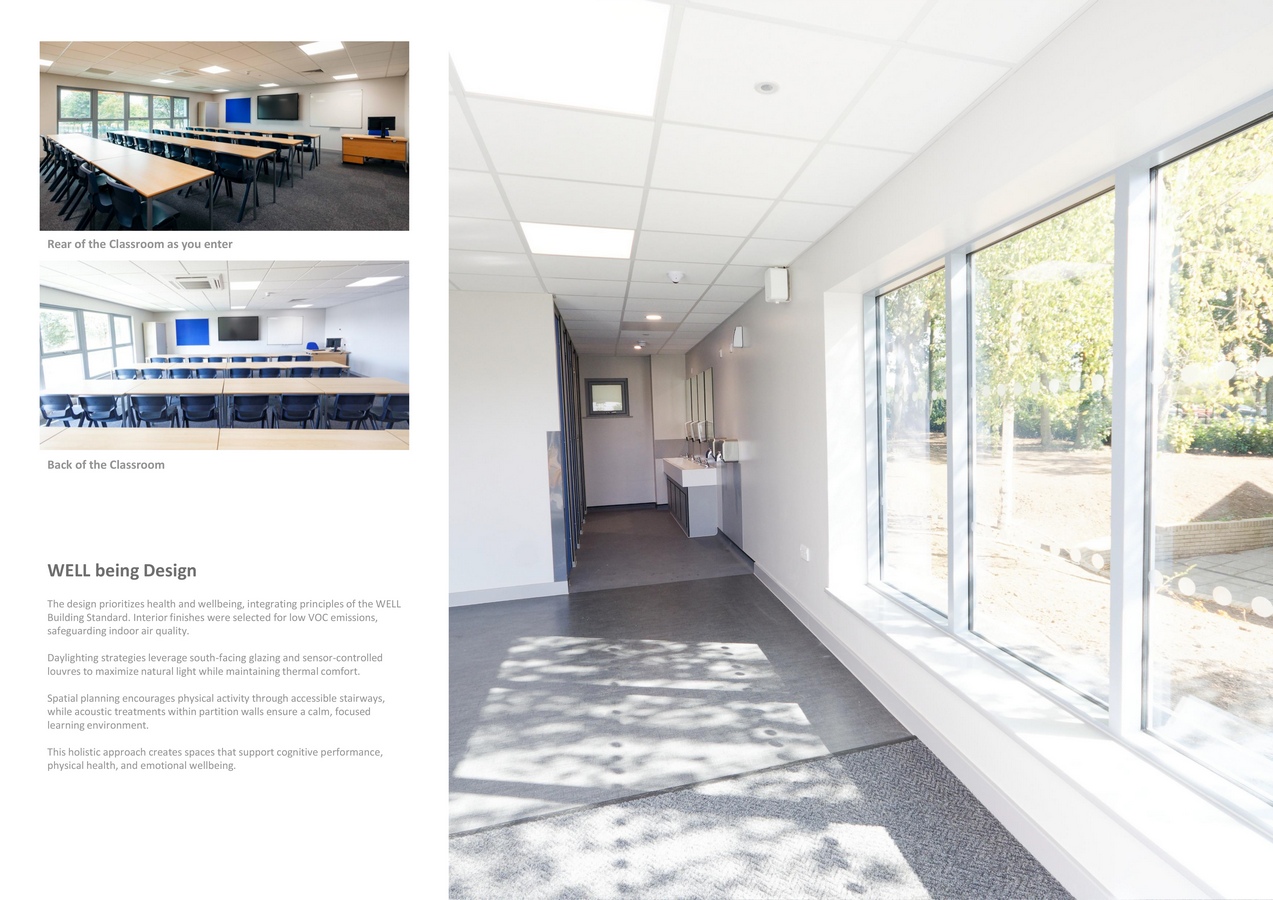
The Ferriby Building aligns with WELL principles, addressing Air, Light, Fitness, Comfort, Mind, and Innovation.
- Air: Low-VOC finishes and antibacterial materials safeguard indoor air quality.
- Light: Daylight-responsive systems and external brise-soleil optimize illumination while reducing glare.
- Fitness: Central staircases encourage movement and active engagement.
- Comfort: High-performance fabric ensures thermal stability; acoustic treatments minimize noise transfer and reverberation.
- Mind: Biophilic design fosters calm and cognitive restoration through natural materials and expansive views of landscaped surroundings.
- Innovation: Advanced construction methodologies and sustainable technologies support the school’s Net Zero strategy and WELL objectives.
Part 4: Testimonials
The Ferriby Building has been celebrated as a transformative addition to South Hunsley School—an exemplar of sustainable, inclusive, and inspiring educational architecture.
Michaela Blackledge, Headteacher, South Hunsley School, said:
“We are delighted to have such a stunning new building at our school and are extremely grateful to all partners and colleagues who made it possible. There is no doubt that the Ferriby Building will inspire students and staff.”
Ross Bellingham, Commercial Director, Helix CMS Ltd, said:
“Working with Alex and the ACA team has been instrumental in developing a design that delivers a first-class facility to enhance teaching and learning for pupils of South Hunsley School. A key factor in the project’s success has been Alex’s vision, combined with a collaborative working approach involving all stakeholders. ACA are a pleasure to work with—approachable, professional, and consistently delivering excellence.”
Alex Caruso said:
“With this project we aimed to exemplify how educational architecture can transcend its brief, becoming a place where the built environment and nature coalesce to nurture the minds and spirits of its users.”

Project Details:-
Firm
Alessandro Caruso Architects Ltd
Architect
Alessandro Caruso
Project Name
South Hunsley School Teaching Block
Project Category
Educational Design (Built)
Team
Alessandro Caruso Architects
Project Location
United Kingdom
Country
United Kingdom
Photography ©Credit
©Alessandro Caruso Architects
ACA Creative Hub is a UK based architectural practice led by Alessandro Caruso, specialising in wellbeing-focused design across education, healthcare, and commercial sectors. With a multi-disciplinary approach, ACA integrates architecture, interior design, and sustainability to create inspiring learning environments that support mental and physical wellbeing. The studio’s educational projects reflect a deep understanding of user needs, delivering inclusive, flexible spaces that foster creativity and collaboration. ACA’s commitment to innovation and community impact ensures each build enhances the educational experience and leaves a lasting legacy.